
Every parent wants their children to engage in healthy activities. Swimming is one of the most nourishing exercises/activities, which is very entertaining. It’s a family picnic place as well. However, learning to swim for children is never easy as it doesn’t matter how beautiful or refreshing the water seems; it’s a new experience for the young and uninitiated kid.
With that said, if you’re a parent and want your water-fearing children to get comfortable with that, you don’t have to worry because, as mentioned above, as happens with most kids, there are several easy ways to overcome their fear of water.

Reasons:
There can be many reasons your child doesn’t want to go in the water. Following are the few most common reasons behind kids’ fear of water:
* The temperature of the water (too cold or too hot)
* Pool Environment (noisy)
* The feeling of going in and not being able to breathe
* Too much Splashing
* Fear of water in their ears
* Dislike of water in the eyes
* Water Taste
* Loss of control
* Separation from Parent
* Any Negative experiences even in the bathtub, like slipping, excessively splashed, unwanted water immersion.

How to Overcome:
You may have heard the story about a father who threw his son in the water, believing that this would help him learn for himself as he will learn to swim after saving himself. But you know what? It’s not just a horrible theory but a very dangerous one too. With that said, below are the methods that can help you a lot in overcoming your child’s fear of the water:
Accept your Child’s Feelings:
Accepting your child’s fear of water or anything is the first step. You have to put yourselves in their shoes instead of being frustrated about why your child doesn’t want to go in this beautiful water. Once you accept your child’s fear or feelings, the whole process will become much easier for you and your child.
Start Slow:
Starting slow is another key to the process. You have to remember that your child is afraid of the water, and if you force them into the water very quickly, like throwing them into the water, it will increase their fear of the water and may dissolve their trust in you.
Starting slow, find the reason for their fear, and then talk through that. If they’re too young and cannot articulate their concerns, start with sitting with them on the side of the water with feet in the water with no aim of getting into the water as it will warm them up to the full plunge naturally.
Go in the Water with the kids:
To help your child overcome the fear of water (or anything), leading by example always proves very useful. Instead of asking your child to do that alone, which they fear doing, doing that with them helps a lot. Do some fun activities with them such as going underwater with them, hanging on the wall and kicking your legs, blow bubbles with them in the water as activities like these will not only build their trust in you but will lower their fear of the water as well.
Make it Fun:
By applying the things mentioned above, making this whole process fun also helps a lot. What we meant by this is not spending all the pool time swimming laps or diving but enjoying pool games. Toys like squirt guns, plastic animals, small cars, cups, spoons, and pots can excite your child in pool games. Moreover, swim accessories like pair of goggles, bathing suits, etc., can also play a pivotal role in making your child confident with the water and increase familiarity with the pool.
Play Water Games at Home too:
You cannot go to the pool any time, but you can try to overcome their fear by practicing some water activities with them at home. You can wear those goggles, and they can play in the bath or the shower. By wearing goggles, you can practice them by putting your face under water or blowing bubbles. They can also enjoy splashing water on different parts of their bodies by keeping their mouth closed around water.
Look for a Professional:
Another method to overcome your child’s fear of water is to look to a professional. Due to the love parents show to their children, sometimes children don’t want to do some things with their parents as they feel their parents as a safe place, so when parents suddenly push them to do something, it becomes an emotional matter, and that’s when a professional can help your children. That said, a professional swim instructor can help your child to overcome the fear and learn then the swimming. It’s not difficult either to amplify, as there are several municipal and recreational pools offering instructional courses.
Be Patient:
Being patient in the whole process is the key to success here because if you get frustrated at any age, it will increase your child’s anxiety. Try not to get them under pressure by setting any expectations; instead, tell them that you’re going to only play and splash, not for any specific purpose. It will help them greatly by decreasing their anxiety, leaving much room for growth. It’s essential to be patient when your child shows signs of fear and nervousness, as it will increase their trust in you and will open ways for them to have new experiences with water.
Keep Providing Opportunities:
Last but not least, an important thing you have to keep providing opportunities. It takes time for children who fear water to be ready and overcome that, and it varies with each child, so never stop providing opportunities.
Some other valuable things to Remember:
* Take their fear seriously, don’t tease or mock them with that
* Always assure your child that you’re with them
* Tell them stories about the children who used to avoid the water but overcame their fear.
* Give praise even when they try to do the minor thing in the water.
* Choose a time when the pool isn’t noisy
* Never get angry at, scold, tease, or punish your child about their fear.
* Use aids like tubes, flotation devices, and kickboards initially, but not for long as they can create dependency and hinder the learning process.
* Never let go of your child in the water during the acclimation phase
* Watch some shows/movies that comfort or encourage your child to play with the water.
Conclusion:
After going through the ways mentioned above, we hope you’ve learned that children fearing water isn’t as big challenge as you thought it was and can easily be overcome through some entertaining methods.
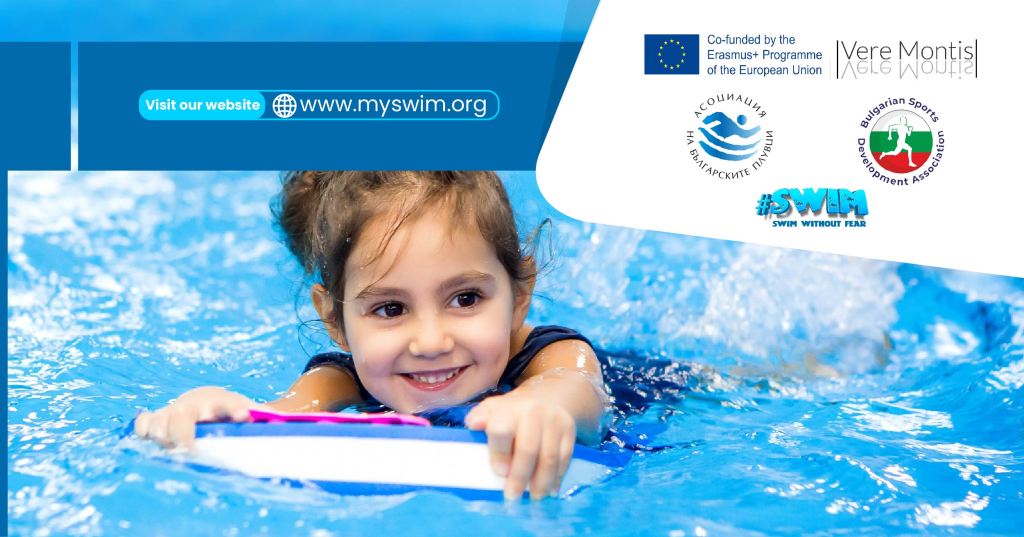
 #SWIM! - Swim Without Fear